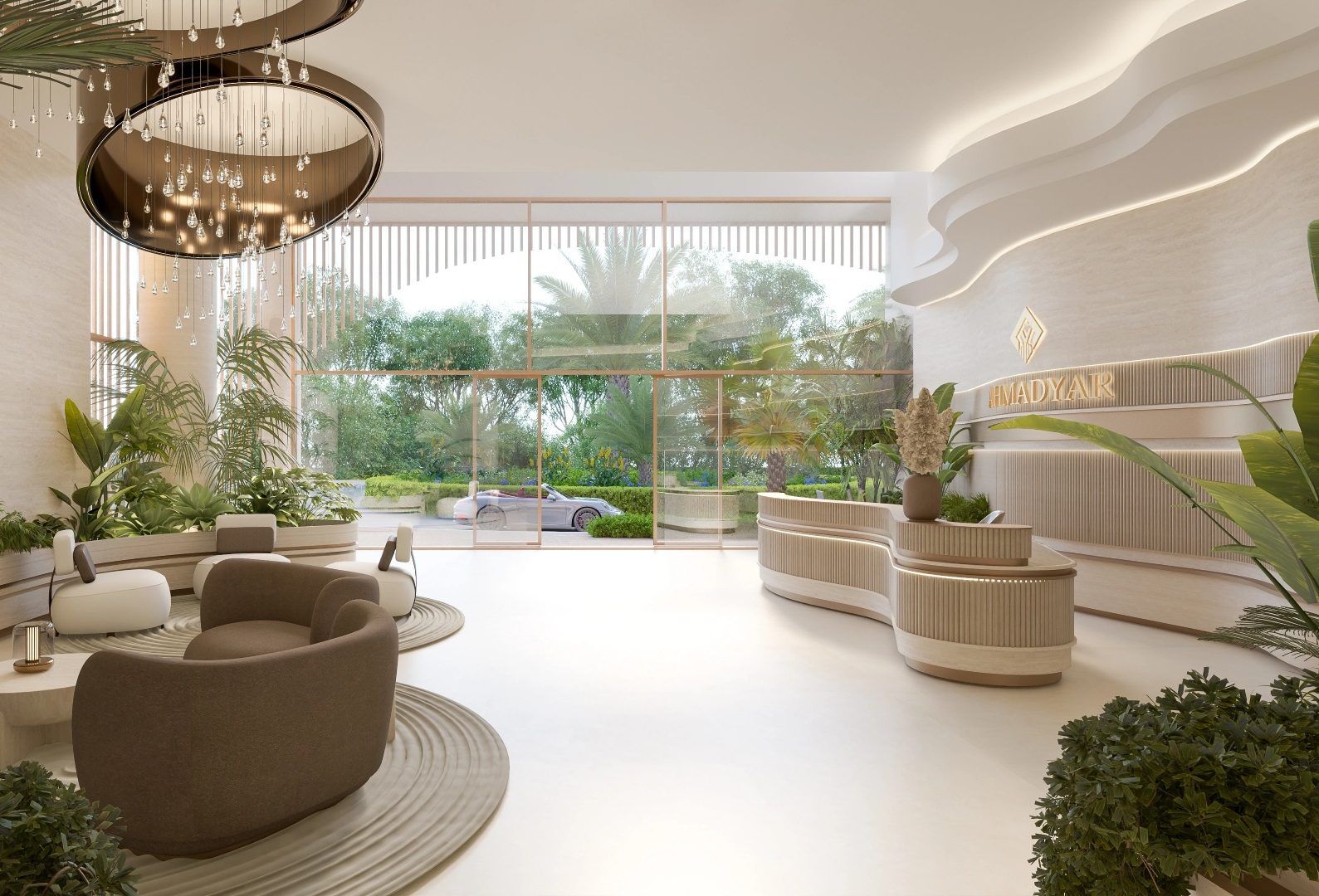
Modern construction projects have a dual purpose. They must generate financial returns while also serving the people who will live and work in these spaces. This balancing act requires careful thought and a long-term view. The best developers in Dubai understand that profit and community wellbeing are two sides of the same coin, not opposing forces.
Creating shared value
The best developers start by recognizing that a happy community creates a stable investment. When residents feel safe and connected, property values hold steady. This approach turns community wellbeing into a financial asset. Developers invest in public spaces, parks, and walking paths because these features attract buyers and renters. People pay a premium for places that offer a good quality of life. This strategy reduces vacancy rates and keeps maintenance costs low over time.
Designing for connection
Physical design shapes how people interact. Developers now plan communal gardens, shared workspaces, and children’s play areas. These features encourage neighbors to meet and form bonds. Social connection reduces crime and increases property care. When people know each other, they look out for each other’s homes. This informal security system saves money on fencing and surveillance equipment. The financial benefit comes from lower insurance premiums and fewer repair claims.
Affordable mixed-use spaces
Including affordable units within a development serves multiple purposes. It brings diversity to the neighborhood and supports local businesses. Shopkeepers and service workers can live close to their jobs. This reduces traffic and parking demands. Developers benefit from government incentives and faster planning approvals. Mixed-use buildings also generate rental income from commercial spaces. This income stream stabilizes cash flow during economic downturns.
Green building practices
Sustainable construction costs more upfront but pays back over time. Energy-efficient windows, solar panels, and rainwater harvesting cut utility bills for residents. These savings become a selling point that justifies higher purchase prices. Developers also avoid future penalties as environmental rules get stricter. Green buildings attract tenants who care about their carbon footprint. This demographic tends to stay longer, reducing turnover costs.
Community consultation processes
Developers hold public meetings to hear local concerns. This input helps adjust plans before construction begins. Residents appreciate being heard and become advocates for the project. Early engagement prevents costly legal battles and delays. When people feel included, they spread positive word-of-mouth. This free marketing builds trust and attracts more buyers. The process also uncovers local knowledge that improves the final design.


